


Creating Your Life Balance Scorecard: Life Balance Scorecard Techniques for Intentional Living
- Yaprak Sapanlı Görür
- Apr 7
- 4 min read

Finding balance in life is a challenge many face, especially when juggling demanding careers, personal growth, and evolving life circumstances. I’ve discovered that creating a life balance scorecard is a powerful way to gain clarity and take control. This tool helps you measure how well you’re aligning your daily actions with your deeper values and goals. It’s not about perfection but about intentional living.
In this post, I’ll walk you through practical life balance scorecard techniques that can help you design a life you truly desire. Whether you’re navigating a major transition or simply seeking more harmony, these steps will guide you toward a more fulfilling and balanced existence.
Why a Life Balance Scorecard Matters
Life can feel like a constant juggling act. Without a clear framework, it’s easy to drift into unconscious routines that don’t serve your well-being or ambitions. A life balance scorecard acts like a dashboard for your life, showing you where you’re thriving and where you might need to adjust.
Think of it as a personal report card, but instead of grades, you track satisfaction and progress in key areas. This approach helps you:
Identify priorities clearly
Spot imbalances before they become overwhelming
Make informed decisions about where to invest your time and energy
Celebrate progress in meaningful ways
By regularly reviewing your scorecard, you stay connected to what matters most and avoid burnout or regret.
Life Balance Scorecard Techniques to Get Started
Creating your own life balance scorecard is easier than you might think. Here’s a step-by-step guide to help you build a tool that fits your unique life and goals.
1. Define Your Key Life Areas
Start by identifying the main areas of your life that contribute to your overall well-being and success. Common categories include:
Career and Professional Growth
Health and Wellness
Relationships and Social Life
Personal Development and Learning
Recreation and Leisure
Spirituality or Mindfulness
Financial Stability
You can customize these based on what feels most relevant to you. For example, if you’re going through a life transition, you might add a category like “Adaptability” or “Emotional Resilience.”
2. Set Clear, Measurable Goals for Each Area
Once you have your categories, define what success looks like in each. Use specific, measurable goals that you can track over time. For example:
Career: Complete a leadership training program by Q3
Health: Exercise 4 times a week and sleep 7+ hours nightly
Relationships: Schedule weekly quality time with family or friends
Personal Development: Read one book per month on topics that inspire you
3. Rate Your Current Satisfaction and Progress
Create a simple rating scale, such as 1 to 10, to assess how satisfied you feel in each area right now. Be honest with yourself. This snapshot will help you see where you’re thriving and where you might want to focus more attention.
4. Identify Actions to Improve Balance
For areas with lower scores, brainstorm practical steps you can take to improve. These should be realistic and actionable. For example:
If your health score is low, commit to a 15-minute daily walk or meal prep on Sundays.
If relationships need work, plan a monthly dinner with close friends or a weekly phone call with a mentor.
5. Schedule Regular Reviews
Balance is dynamic. Life changes, and so do your priorities. Set a recurring time—weekly, monthly, or quarterly—to review your scorecard. Adjust your goals and actions as needed to stay aligned with your evolving life.
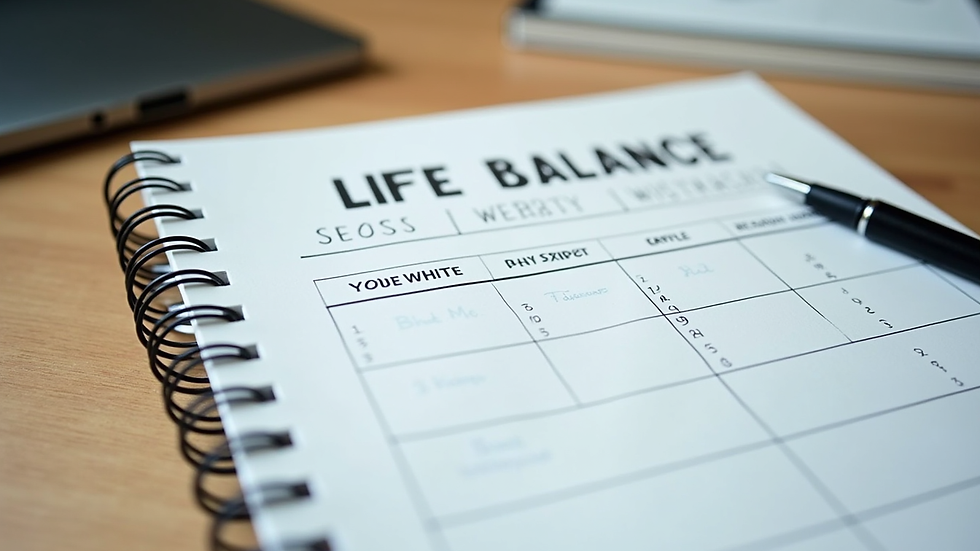
Creating your scorecard on paper or digitally helps visualize your progress and keeps you accountable.
How to Use Your Life Balance Scorecard Effectively
Having a scorecard is just the beginning. The real power comes from how you use it in your daily life.
Make It a Habit
Incorporate your scorecard review into your routine. For example, spend 10 minutes every Sunday evening reflecting on the past week and planning the next. This habit keeps your intentions fresh and actionable.
Be Compassionate and Flexible
Remember, the goal is progress, not perfection. Life will throw curveballs. If you miss a goal or your scores dip, treat it as valuable feedback, not failure. Adjust your plan with kindness toward yourself.
Share Your Scorecard with a Trusted Person
Sometimes, sharing your goals and progress with a mentor, coach, or close friend can boost motivation and provide support. They can offer perspective and encouragement when you need it most.
Use Visual Reminders
Keep your scorecard visible—on your desk, phone, or wall. Visual cues help reinforce your commitment and remind you to stay intentional.
Practical Examples of Life Balance Scorecard in Action
To bring these techniques to life, here are some examples of how a life balance scorecard can guide real decisions.
Example 1: Senior Leader Facing Burnout
A senior leader notices their health and relationships scores are low. Using the scorecard, they commit to:
Delegating more tasks to reduce workload
Scheduling weekly dinners with family
Starting a mindfulness practice to manage stress
Over time, these small changes improve their overall satisfaction and energy.
Example 2: Individual in Career Transition
Someone shifting careers uses the scorecard to balance learning new skills with maintaining financial stability and personal wellness. They set goals to:
Complete an online certification within 6 months
Maintain a budget to manage expenses
Exercise regularly to stay energized
The scorecard helps them stay focused and balanced during uncertainty.

Using digital tools can make tracking your life balance scorecard easy and interactive.
Taking the Next Step: How to Get Started Today
If you’re ready to take control and design a life that reflects your true priorities, I encourage you to get a life balance scorecard. This resource will guide you through the process with templates and examples tailored to your needs.
Remember, the journey to balance is ongoing. Your scorecard is a living document that grows with you. By committing to this practice, you’re choosing to live intentionally and break free from autopilot drift.
Embracing Intentional Living with Your Life Balance Scorecard
Creating and using a life balance scorecard is more than just a productivity hack. It’s a mindset shift toward self-awareness and purposeful action. When you measure what matters, you empower yourself to make choices that align with your values and aspirations.
Start small, be consistent, and celebrate your progress. Over time, you’ll find that balance isn’t a distant ideal but a daily reality you create with intention.
Take the first step today and watch how your life transforms.


Comments